Email: info@boninscaffolding.com
WhatsApp: +86 136 4619 6162
Email: info@boninscaffolding.com
WhatsApp: +86 136 4619 6162
Email: info@boninscaffolding.com
WhatsApp: +86 136 4619 6162
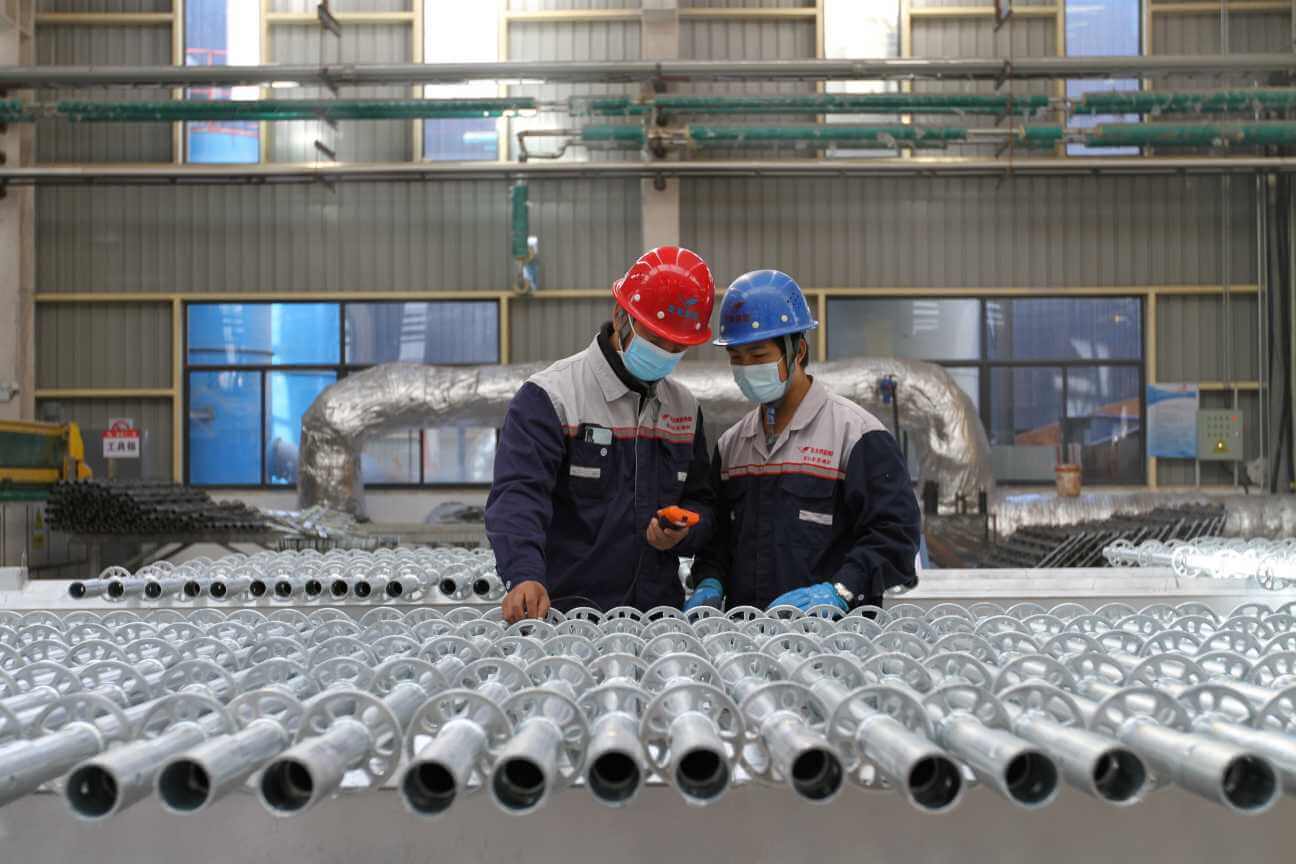
Choosing a scaffolding components manufacturer is not only about product price or production capacity. For contractors, distributors, rental companies, and importers, the real question is whether the supplier can provide consistent products, stable production, and clear communication over time.
Scaffolding components are used in demanding construction environments. Products such as steel props, diagonal braces, jack bases, ringlock components, couplers, and formwork accessories need practical manufacturing details that support site use, export handling, and repeat orders.
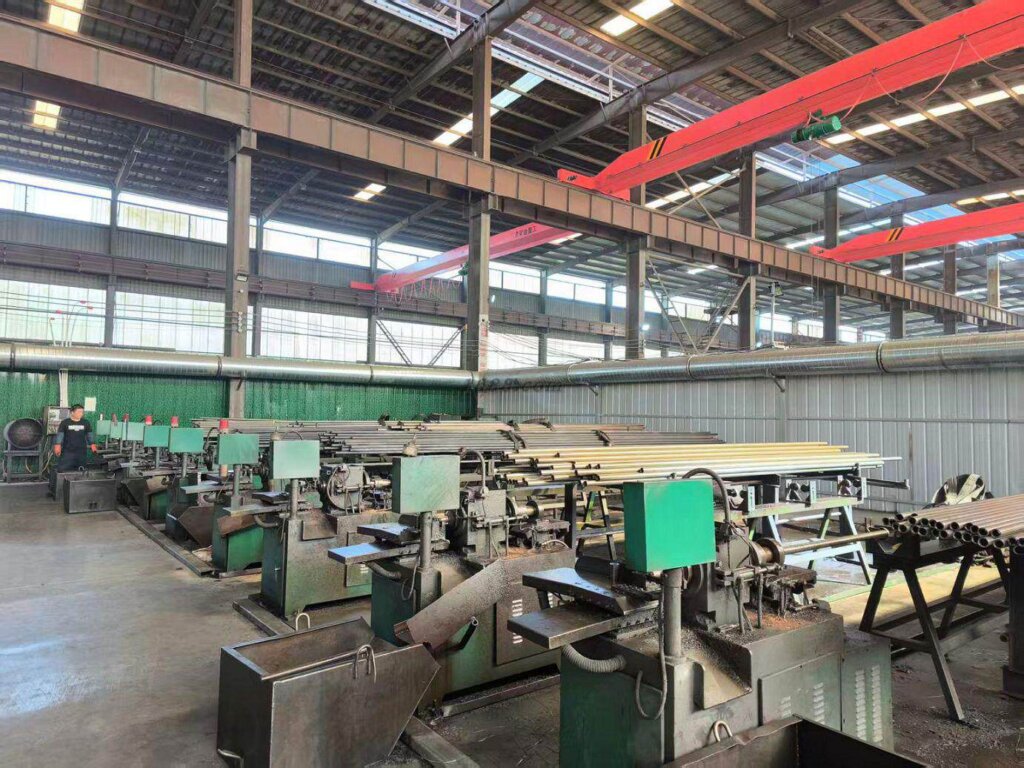
Consistent product details help buyers reduce problems after delivery. Before placing an order, buyers should confirm dimensions, material thickness, welding details, hole positions, threads, surface finish, and packing method.
For example, steel props should have stable tube dimensions and smooth adjustment. Scaffolding couplers should fit the tube correctly and tighten properly. Jack bases should have clear threads, suitable plate thickness, and reliable welding.
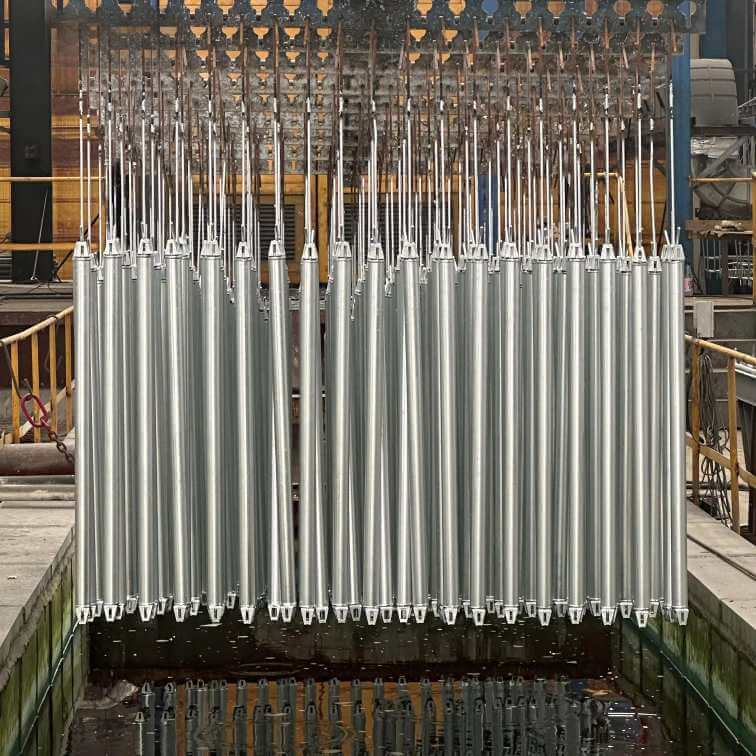
Welding and galvanizing are common pain points in scaffolding sourcing. Poor welding may affect product use, while poor galvanizing can create problems during storage, transport, or site application.
A quality-focused manufacturer should be able to explain how products are welded, inspected, finished, and packed. Clear photos, drawings, samples, and inspection details can help buyers make better decisions.
Different markets may require different standards or product habits. For couplers, buyers may refer to EN74 or BS1139. For steel props, loading requirements, tube size, and height range may vary by project or market.
Before production, buyers should confirm the required standard, drawing, size, weight, marking, and packing. This helps both sides reduce misunderstanding and keep the order process clear.
Many buyers need OEM scaffolding components for their own market or brand. OEM support may include special sizes, surface treatment, marking, labels, packing, or drawings.
A practical OEM supplier should communicate clearly about what can be manufactured, what needs tooling or confirmation, and what details may affect production time.
Professional communication matters in international sourcing. Buyers need timely replies, clear order details, production updates, packing information, and shipping support.
A reliable scaffolding supplier should help buyers understand the product, confirm technical details, and follow up during production and export. This is especially important for long-term partnership.
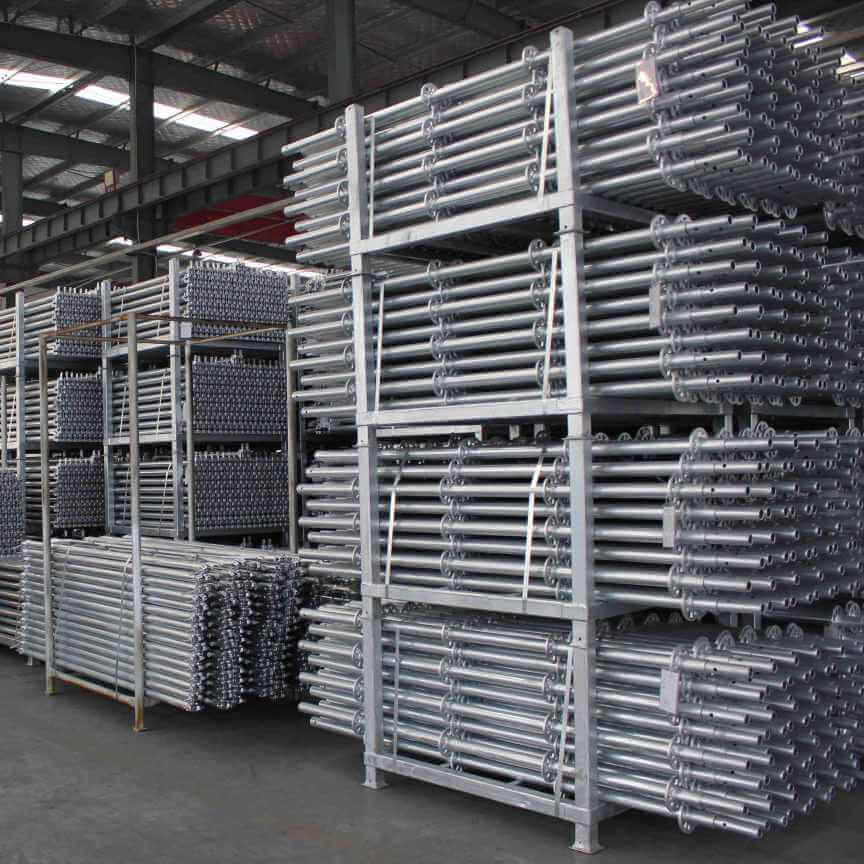
When choosing a scaffolding components manufacturer, buyers should look beyond a single quotation. Product consistency, welding, surface treatment, standards, OEM support, packing, and communication all affect the final sourcing result.
Bonin Scaffolding manufactures scaffolding components for construction companies, distributors, rental companies, and importers. We focus on stable production, consistent quality, practical OEM support, and professional export communication.
CTA: Looking for a scaffolding components supplier for your next order? Contact Bonin Scaffolding with your product list, drawings, standards, and packing requirements.
